Call: 08045813542
 Send Inquiry
 Send Inquiry
Rubber Conveyor Belt
Price 2500 INR/ Piece
MOQ : 100 Pieces
Rubber Conveyor Belt Specification
- Material
- Mild Steel
- Width
- 15 Inch
- Thickness
- 10 mm
- Usage & Applications
- Transports Materials Or Packages From One Place To Another
- Application Area
- Industrial
- Temperature Range
- 300-500C
- Length
- 20 feet
- Edge Type
- Cut Edge
- Shape
- Flat
- Color
- Black
- Structure
- Open Type
Rubber Conveyor Belt Trade Information
- Minimum Order Quantity
- 100 Pieces
- Payment Terms
- Cash in Advance (CID)
- Supply Ability
- 1000 Pieces Per Month
- Delivery Time
- 7 Days
- Main Domestic Market
- All India
About Rubber Conveyor Belt
Belt Thickness 10 mm
Material Mild Steel
Temperature Range 300 Degree C - 500 Degree C.
Belt Width 15 Inch
Usage/Application Transports Materials Or Packages From One Place To Another
Length 20 feet
High Temperature Resistance
Designed to operate reliably under extreme heat, this conveyor belt endures temperatures from 300C to 500C. This capability ensures safe and efficient transport of hot materials across industrial processes, reducing downtime due to belt failure.
Optimal Construction and Material
Constructed with a mild steel base and durable rubber composition, this conveyor belt boasts a 10 mm thickness and cut edge finish. Its flat, open-type structure offers stability and adaptability in various industrial applications, enhancing workflow efficiency.
Versatile Industrial Applications
The conveyor belt's robust build and characteristics make it suitable for transporting materials and packages in industries such as manufacturing, processing, and logistics. It helps streamline operations and handle high-temperature products safely.
FAQ's of Rubber Conveyor Belt:
Q: How is this rubber conveyor belt suitable for high-temperature industrial applications?
A: The conveyor belt is designed to withstand continuous temperatures between 300C and 500C, making it ideal for transporting hot materials in environments like foundries, steel plants, and other high-heat industrial sectors.Q: What materials and build features ensure the durability and strength of this conveyor belt?
A: This belt is manufactured using mild steel combined with high-quality rubber, providing a thickness of 10 mm for extra durability. Its flat, open-type structure and cut-edge design further enhance stability and longevity in heavy-duty operations.Q: Where is the ideal application area for this conveyor belt within an industrial setup?
A: The belt is best used in settings where materials or packages need to be moved efficiently between different stages, such as in assembly lines, production processes, or material handling sections of industrial plants.Q: What is the typical process for installing this conveyor belt?
A: Installation involves laying the flat, cut-edge belt onto a conveyor system and securing it according to the machine's specifications. Proper alignment and tensioning are essential to ensure smooth movement and prevent operational issues.Q: How does the open structure of the conveyor belt benefit industrial material transport?
A: An open-type structure allows for improved airflow and easy cleaning, reducing material buildup on the belt and facilitating maintenance. This design also helps maintain efficient transport, even in challenging working conditions.Q: What advantages does using this conveyor belt provide to manufacturing operations?
A: Employing this high-temperature conveyor belt enhances safety, boosts productivity by minimizing downtime, and supports efficient handling of various materials or packages, particularly those exposed to intense heat during processing.Q: When should you consider replacing or maintaining this conveyor belt?
A: Regular inspection and maintenance are recommended, especially if the belt experiences wear from continuous high-temperature exposure. Replace the belt if there are visible signs of damage or decreased performance to maintain operational reliability.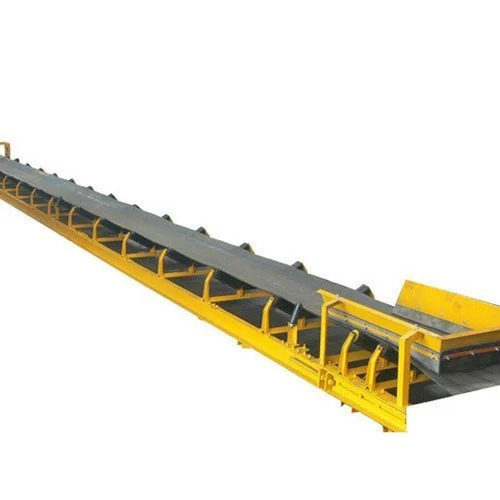
Tell us about your requirement

Price:
Quantity
Select Unit
- 50
- 100
- 200
- 250
- 500
- 1000+
Additional detail
Mobile number
Email

More Products in Conveyor Spare Parts Category
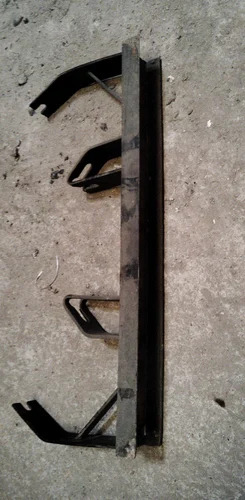
Conveyor Roller Stand
Price 2000 INR / Piece
Minimum Order Quantity : 100 Pieces
Material : Mild Steel
Part Type : Roller Stand
Usage & Applications : Material Handling, Package Conveying, Assembly Lines
Diameter : 50 mm
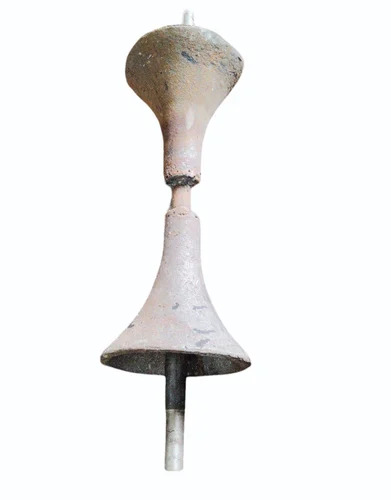
Mild Steel Conveyor Cone Roller
Price 2000 INR / Piece
Minimum Order Quantity : 100 Pieces
Material : Mild Steel
Part Type : Cone Roller
Usage & Applications : Use For Conveyor Roller
Diameter : 100mm
Used Conveyor Belt
Price 80 INR / Piece
Minimum Order Quantity : 100 Pieces
Material : Rubber
Part Type : Curved Conveyor Belt
Usage & Applications : Industrial conveyor transport
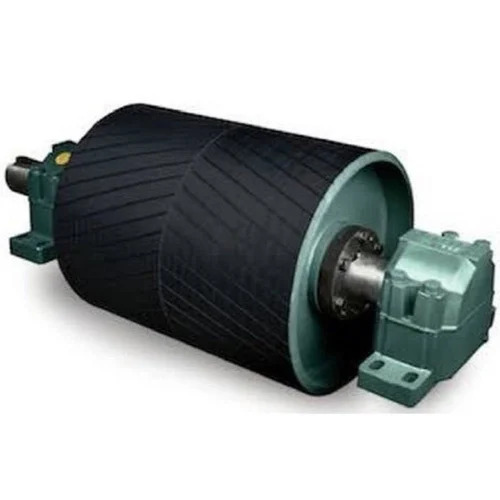
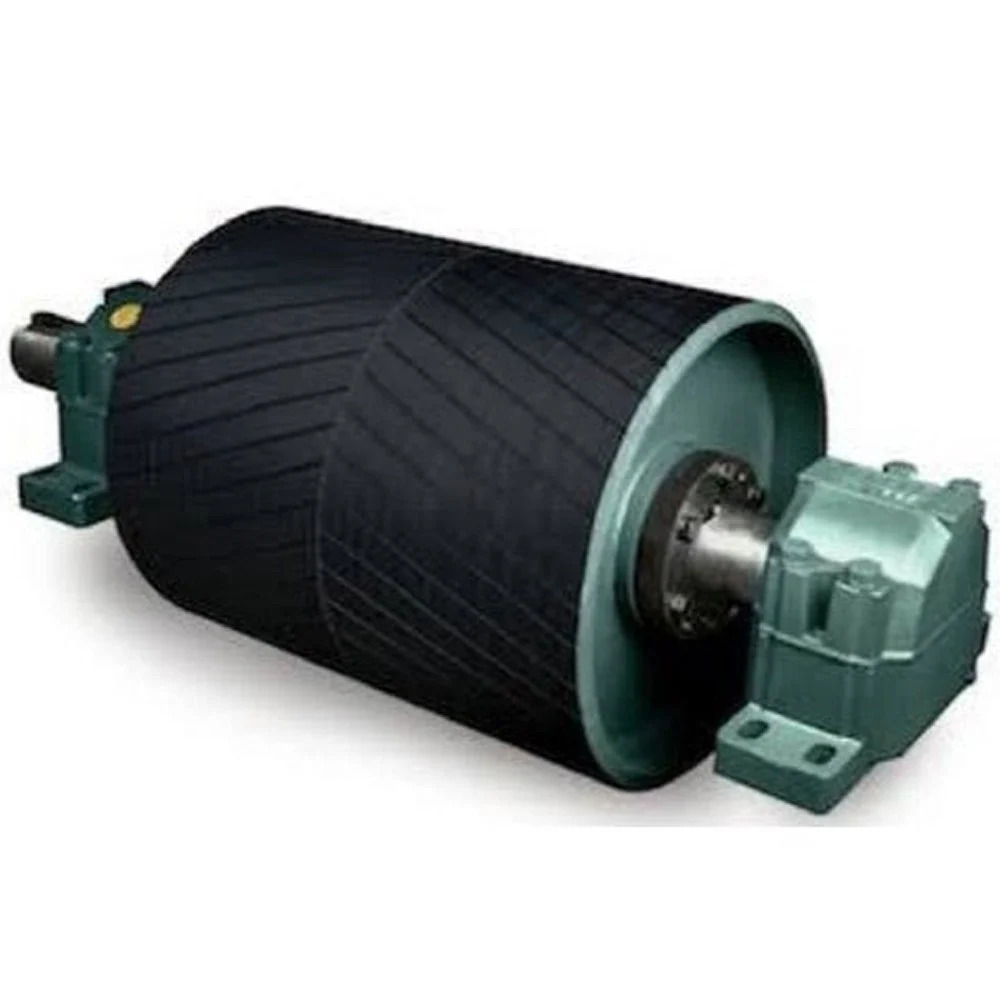
Belt Conveyor Head Pulley
Minimum Order Quantity : 100 Pieces
Material : Mild Steel
Part Type : Head Pulley
Usage & Applications : Driving A Conveyor Belt
Diameter : 2.5 Inch

Contact Details
R K TRADERS
GST : 08AATPT5000G1ZJ
- Plot No. - 37 Karni Vihar, Road No. 17, Badarna VKIA,Jaipur - 302013, Rajasthan, India
- Phone :08045813542
 Send Inquiry
Developed and Managed by Infocom Network Private Limited.
